

HOUSTON & VIRTUAL ACROSS TEXAS
Therapy for high-achieving women in Houston
You've built a life that looks great from the outside. But internally, you're exhausted, and you're not sure why that isn't getting better on its own.
Licensed Mental Health Counselor · Accepting new clients · Virtual sessions available.

500+
Women supported
5★
Google Reviews
TX + FL
Virtual statewide
You have it together — everywhere except inside.
The career, the reputation, the life that looks, from the outside, like you have it all figured out. And in a lot of ways, you do.
But there's a version of you that no one at work sees. The one who lies awake at midnight running through tomorrow's to-do list. Who's been running on empty for longer than she can remember and still can't figure out how to slow down. Who has accomplished more than she ever expected, and still can't shake the feeling that it's not enough. That she's not enough.
If that landed somewhere real, you're in the right place.
You don't have to be in crisis to deserve support.
One of the things I hear most often from high-achieving women when they first reach out is some version of: "I know I should be grateful. I don't have a real reason to feel this way."
But exhaustion doesn't require a dramatic reason. Anxiety doesn't require a crisis. And needing support doesn't mean something has gone wrong with you, it often means you've been carrying too much, for too long, without anywhere to put it down.
Therapy isn't for when you've fallen apart. It's for when you're tired of holding everything together alone.
You might be here because...
✓ You've done everything "right" and still feel stuck, anxious, or quietly hollow
✓ You overthink every relationship — romantic or otherwise — and can't figure out why
✓ You give more than you receive and tell yourself that's just who you are
✓ You’re exhausted but feel guilty for not doing more
✓ You want to feel secure in love — not anxious, not over-functioning, not second-guessing
✓ You know you could use support, but "I'm fine" comes out automatically
✓ You want to avoid repeating the same patterns in future relationships
What High-Achieving Women Actually Carry
Perfectionism that never turns off
Not detail-oriented excellence — the kind that makes rest feel dangerous and the bar always out of reach.
Overfunctioning in relationships
Managing the emotional labor, holding the connection together — while also running a demanding career.
Difficulty asking for help
You've built a life by being capable. Needing support can feel like weakness you can't afford.
Identity tied to achievement
When who you are and what you produce become the same thing, slowing down feels like disappearing.
"I wish I wouldve started therapy a long time ago. Maybe I wouldn’t have experienced so much hurt from in my relationships."
GRACE & GROWTH CENTER CLIENT
WORK WITH ME
However you're ready to show up, there's a way to work together.
We specialize in helping high-achieving women untangle the patterns that keep them exhausted, over-extended, and quietly unfulfilled, especially in love. Our work is honest, warm, and never one-size-fits-all.
Virtual sessions available throughout Texas and Florida.

THE PROCESS
What working together actually looks like.
STEP 01
Free 15-min consultation
We talk, we see if we're a fit. No pressure, no commitment. Just a real conversation.
STEP 02
Intake & first session
You complete paperwork, we schedule your first 50-minute session and build your treatment plan together.
STEP 03
Weekly sessions & real change
We meet consistently, go deep, and track your progress. You stay in control of your process the whole time.




Frequently Asked Questions about Therapy in Houston
-
No. Many clients come in while still high-functioning — therapy works best before things fully break down.
-
It varies. Some women find significant shifts in 3–6 months; deeper patterns may take longer. We'll talk through this in our first session.
-
Yes. I accept most insurances such as Aetna, Cigna, United Healthcare, Blue Cross, and more. Self-pay rates start at $150
-
Yes. Virtual sessions are available across Texas and Florida and work well for women with demanding schedules.
There's something specific about being a high-achieving woman seeking therapy... Reaching out takes a different kind of strength, the kind that acknowledges you can't think your way out of everything.
You've spent a long time being strong for everyone else.
This is the space to figure out what you actually need. Sessions available in-person in Houston and virtually across Texas.
FEATURED POST
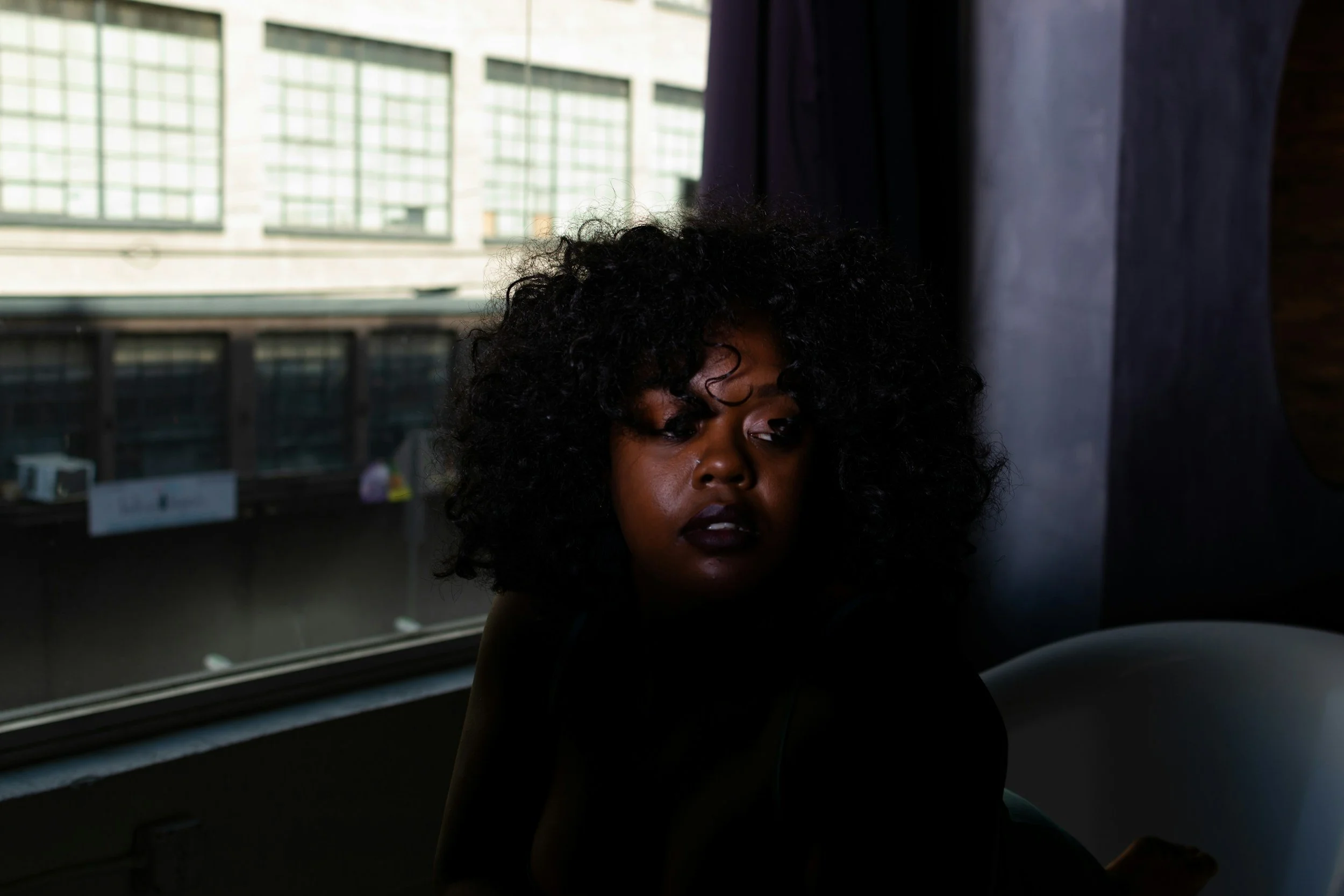
Self-Abandonment 7 min read
The Quiet Ways Women Abandon Themselves in Relationships
It doesn't always look like losing yourself all at once. Sometimes it happens slowly — until one day you look up and don't recognize the woman looking back.
Serving women across Texas including:
Houston, Austin, Dallas, San Antonio, Fort Worth, and surrounding areas.
And Florida